`
جنيف (6 مارس 2026) – أعرب خبراء الأمم المتحدة* اليوم عن قلقهم البالغ إزاء تصاعد حملة من الترحيل والاعتقالات التعسفية والانتهاكات الحقوقية التي تستهدف اللاجئين وطالبي اللجوء والمهاجرين في مصر، بما في ذلك أشخاص معرّضون لخطر الاتجار بالبشر.
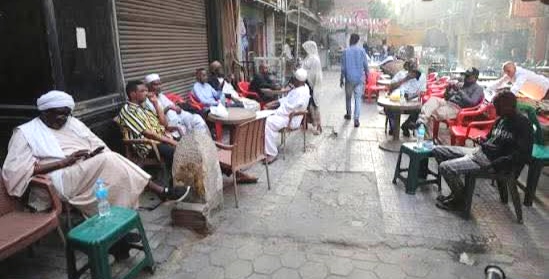
وبحسب الأرقام الرسمية، فرّ 1.5 مليون مواطن سوداني إلى مصر حتى 29 يناير 2026. وبحلول ديسمبر 2025، كان 1,098,311 لاجئًا وطالب لجوء مسجلين لدى مفوضية الأمم المتحدة لشؤون اللاجئين، من بينهم 834,201 سودانيًا و117,364 سوريًا، وغالبيتهم من النساء والأطفال.
وقال الخبراء:
“ما زلنا نشعر بقلق عميق إزاء أوضاع اللاجئين وطالبي اللجوء في مصر. إذ تستمر ممارسات الاعتقال التعسفي والترحيل، مع استهداف مجتمعات اللاجئين في منازلهم وأماكن عملهم وحتى في المراكز الخدمية التي يديرها اللاجئون أنفسهم.”
وأشار الخبراء إلى أن قانون اللجوء الجديد في مصر، الذي تم اعتماده في 16 ديسمبر 2024، أثار منذ البداية مخاوف جدية بسبب بعض بنوده التي قد تُقوّض حقوق وحماية المهاجرين واللاجئين وطالبي اللجوء. وقد تفاقمت هذه المخاوف في أكتوبر 2025 مع تصاعد الاعتقالات وعمليات الترحيل — خاصة بحق المواطنين السودانيين — وغالبًا ما كانت تستند فقط إلى ادعاءات تتعلق بمخالفات تصاريح الإقامة. كما أُفيد بأن عمليات الترحيل جرت دون إجراء تقييمات فردية لتحديد مخاطر الإعادة القسرية.
وخلال الأشهر الأخيرة، تلقى الخبراء تقارير تفيد بارتفاع حاد في اعتقال وترحيل المواطنين السوريين، بما في ذلك عائلات كاملة. وقد احتُجز العديد منهم بسبب عدم امتلاكهم تصاريح إقامة سارية، رغم أن بعضهم كان مسجلًا لدى المفوضية أو يحمل وثائق تثبت أنهم بصدد تجديد إقاماتهم.
وأضاف الخبراء:
“إن هذا المناخ من الخوف يعرّض اللاجئين وطالبي اللجوء والمهاجرين لحالة من الهشاشة الشديدة. ومع محدودية فرص الوصول إلى سبل عيش مستدامة، يصبح كثير منهم أكثر عرضة للاستغلال، بما في ذلك الاتجار بالبشر لأغراض الاستغلال الجنسي — خاصة النساء والفتيات — إضافة إلى العمل القسري والخدمة المنزلية القسرية. كما يواجه آخرون مخاطر حماية خاصة، من بينهم النساء والفتيات الناجيات من العنف القائم على النوع الاجتماعي، وكذلك أفراد مجتمع الميم.”
كما أعرب الخبراء عن قلقهم من خطر الإعادة القسرية لكل من الأفراد “الموثقين” و“غير الموثقين” الذين لجأوا إلى مصر طلبًا للحماية من النزاعات والاضطهاد والأزمات الإنسانية في بلدانهم.
وقال الخبراء:
“نذكّر مصر بأن أي قرار بإعادة أو ترحيل الأشخاص يجب أن يستند إلى تقييم فردي لاحتياجات الحماية والالتزامات الحقوقية. ويشمل ذلك الالتزام الصارم بمبدأ عدم الإعادة القسرية، ومراعاة المصلحة الفضلى للطفل، وعدم التمييز، واحترام الحق في الحياة الأسرية.”
وأشار الخبراء إلى أنهم على تواصل مع حكومة مصر بشأن هذه المسألة.
انتهىimage001.gif
image004.gif
Egypt: UN experts raise alarm over violations against refugees and migrants
GENEVA (6 March 2026) – UN experts* today expressed alarm over an intensifying campaign of deportations, arbitrary arrests and human rights violations targeting refugees, asylum seekers and migrants in Egypt — including individuals at risk of human trafficking.
According to official figures, 1.5 million Sudanese nationals have fled to Egypt as of 29 January 2026. By December 2025, 1,098,311 refugees and asylum seekers were registered with the UN Refugee Agency (UNHCR), including 834,201 Sudanese and 117,364 Syrians, the majority of whom are women and children.
“We remain deeply concerned about the situation of refugees and asylum seekers in Egypt,” the experts said. “Practices of arbitrary arrest and deportations continue, with refugee communities being targeted in their homes, workplaces and even in refugee‑led service centres.”
The experts noted that Egypt’s new asylum law, adopted on 16 December 2024, raised immediate concerns due to provisions that could undermine the rights and protections of migrants, refugees and asylum seekers. Those concerns intensified in October 2025 amid a surge in arrests and deportations — particularly of Sudanese nationals — often based solely on alleged residence permit violations. Deportations were reportedly carried out without individualised assessments to determine the risk of refoulement.
In recent months, the experts have received reports of a sharp rise in arrests and deportations of Syrian nationals, including families. Many were detained for allegedly lacking valid residence permits, sometimes despite being registered with UNHCR or carrying documents proving they were in the process of renewing their permits.
“This climate of fear exposes refugees, asylum seekers and migrants to extreme precarity,” they said. “With limited access to sustainable livelihoods, many are at heightened risk of exploitation, including trafficking for sexual exploitation, particularly affecting women and girls, and forced labour and domestic servitude, while others struggle in the face of particular protection risks, including women and girls’ survivors of gender-based violence and LGBT persons.”
The experts expressed alarm over the risk of refoulement for both “documented” and “undocumented” individuals who fled to Egypt seeking protection from conflict, persecution and humanitarian crises in their home countries.
“We remind Egypt that any return or deportation order must be based on an individual assessment of protection needs and human rights obligations,” they said. “This includes strict adherence to the principle of non‑refoulement, the best interests of the child, non-discrimination, and the right to family life.”
The experts are in contact with the Government of Egypt on this issue.
ENDS